
LWF Update: USFWS Will Not Pursue Changes at This Time
Since LWF submitted our comments, the U.S. Fish and Wildlife Service has announced that no further action is planned, at this time, on its review of drain tile setbacks around Prairie Pothole wetland easements. The announcement followed an extraordinary response from the waterfowl and conservation community, with more than 200,000 comments submitted to the Service.
For Louisiana, this is an important outcome. LWF joined Ducks Unlimited, Delta Waterfowl, other waterfowl organizations, hunters, landowners, and conservation interests across the country in asking the Service to maintain the protections already in place. Our comments emphasized that these voluntary easements were purchased to prevent wetland drainage and that legitimate landowner concerns could be addressed through better mapping, transparency, and administration without weakening the underlying conservation standard. Louisiana also has a direct stake in the outcome: our hunters have invested in northern breeding-ground conservation since 1965, including funding that continues today through Louisiana’s waterfowl programs.
The Service’s announcement does not permanently close the issue, and it will continue reviewing the information it received. But for now, the proposed reconsideration is not moving forward, and the existing protections remain in place. It is a good example of the waterfowl community speaking with a strong, unified voice, and of Louisiana having a legitimate reason to be part of that discussion even when the wetlands at issue are 1,500 miles away.
Updated 8/21/2026
Louisiana Wildlife Federation has submitted formal comments to the U.S. Fish and Wildlife Service supporting continued protection of Prairie Pothole wetlands, habitat that Louisiana waterfowl hunters have helped conserve for more than 60 years.
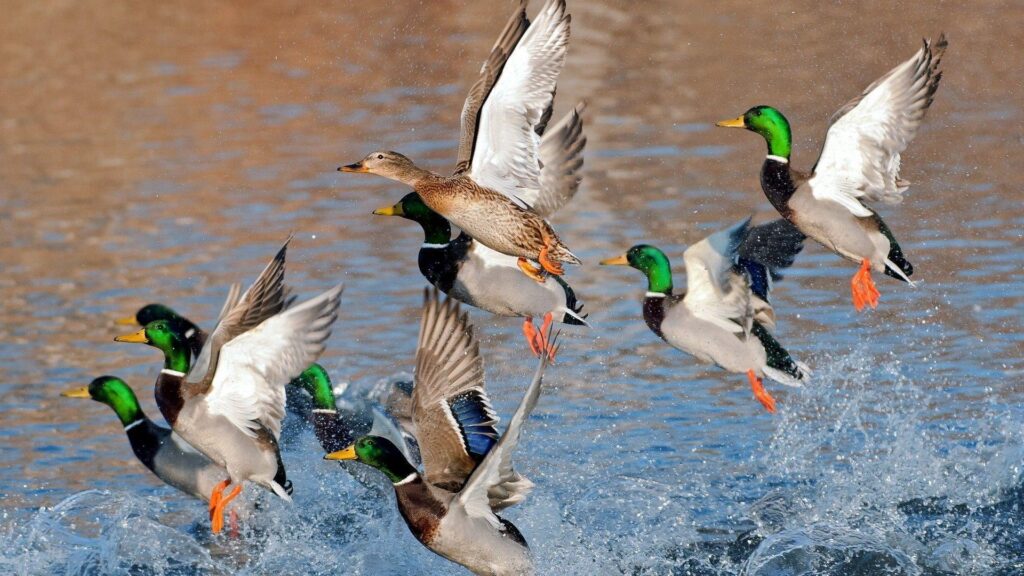
Most of the ducks that fill Louisiana’s marshes, rice fields, and flooded timber each winter were not born here. Many were produced roughly 1,500 miles north in the shallow wetlands scattered across the Dakotas, Montana, Minnesota, and Iowa known as the Prairie Pothole Region, North America’s “Duck Factory.”
That connection is why Louisiana Wildlife Federation recently submitted formal comments to the U.S. Fish and Wildlife Service on a wetland protection issue that, at first glance, may seem far removed from Louisiana. For Louisiana’s waterfowl, waterfowl hunters, and conservation investment, it is not.
What’s at Stake
The Prairie Pothole Region is one of the most important waterfowl breeding areas on the continent. Its shallow wetlands provide critical breeding and brood-rearing habitat for blue-winged teal, northern pintails, gadwall, mallards, and many other migratory birds that eventually move south through the Mississippi Flyway.
For decades, the Fish and Wildlife Service has protected many of these wetlands through voluntary conservation easements. Landowners are compensated in exchange for permanently agreeing not to drain, fill, or otherwise alter protected wetlands. It is a willing-seller conservation program that allows the surrounding property to remain in private ownership and agricultural production.
The current issue involves subsurface drain tile installed on agricultural lands near protected wetlands. Drain tile does not have to pass directly through a wetland to affect it. If installed too close, it can intercept groundwater and other water that would otherwise reach the basin, reducing the wetland’s ability to hold water even though the wetland itself was never directly disturbed.
The current Fish and Wildlife Service framework uses site-specific information, including soils, slope, tile depth, and hydrology, to establish setbacks intended to prevent that indirect drainage while providing landowners with clearer guidance for installing tile around protected wetlands.
The Service is now reconsidering that framework. LWF has asked that the existing science-based protections be maintained.
Louisiana Has a Direct Investment
Louisiana is not weighing in from the sidelines.
Since 1965, Louisiana has directed money generated by waterfowl hunters toward conserving migratory waterfowl breeding habitat outside our state. Through Louisiana hunting license and Duck Stamp revenues, those dollars have supported conservation work in the northern breeding grounds that produce many of the birds eventually harvested and enjoyed here.
The Louisiana Legislature strengthened that commitment again in 2024, providing additional support for breeding-ground conservation.
For more than 60 years, Louisiana waterfowl hunters have helped invest in the habitat where our migratory waterfowl are produced. Protecting the integrity of conservation easements on those breeding grounds helps protect the value of that investment.
It also reflects a basic reality of migratory bird conservation: Louisiana cannot manage waterfowl only within Louisiana. What happens on the breeding grounds directly affects what we see on the wintering grounds.
Our Position
Our comments to the Service focus on several straightforward points.
A “no drainage” easement should continue to mean no drainage. Landowners voluntarily entered these agreements and were compensated for permanently protecting the wetland. Allowing indirect drainage that materially changes the wetland would weaken the conservation value the public paid to protect.
The protection should remain based on site-specific science. Soil conditions, topography, hydrology, tile depth, and wetland characteristics vary from one property to another. A setback that protects one wetland may not adequately protect another. We believe those decisions should continue to be based on the conditions at the individual site.
Better administration does not require weaker conservation. Landowners have legitimate interests in clear maps, predictable decisions, timely responses, and understandable guidance. Those concerns should be addressed. But improving administration is different from reducing the underlying level of wetland protection. The Service can, and should, do both.
Protecting functioning wetlands is more effective than trying to restore them after they are lost. Louisiana understands that lesson particularly well. We have spent billions attempting to restore wetlands and coastal habitat after they were degraded or lost. Protecting functioning habitat on the front end is generally the better conservation investment.
Good conservation policy does not require choosing between working agricultural lands and wildlife habitat. It requires managing both responsibly and honoring the conservation agreements already in place.
A Louisiana Waterfowl Issue
Ducks Unlimited and Delta Waterfowl have also raised concerns about changes to the current protections, reflecting the broader importance of this issue to waterfowl conservation across the flyways.
Louisiana brings an important perspective to that discussion. We are both a major beneficiary of the Prairie Pothole Region and a long-standing financial partner in conserving it.
The connection between breeding grounds and wintering grounds is not theoretical. The birds produced in those northern wetlands are the same birds that arrive in Louisiana each fall, support generations of hunting tradition, and contribute to the economy and outdoor heritage of our state.
Read Our Comments
You can view Louisiana Wildlife Federation’s formal comments to the U.S. Fish and Wildlife Service HERE.
For generations, Louisiana hunters have invested in the Prairie Pothole Region because they understand a simple principle: if we want healthy waterfowl populations in Louisiana each winter, we also have to protect the places those birds depend upon throughout their life cycle.
That partnership has worked for decades. We believe it should continue.