
The proposed regulation changes that would waive wildlife, water, and public health protections for space development projects comes at a time when the state of Louisiana is expected to confirm a new space project to be sited in Vermillion Parish coastal marshland.
Louisiana Wildlife Federation, National Wildlife Federation, and Pontchartrain Conservancy filed comments on proposed rulemaking changes by the Federal Aviation Administration that would impact commercial space launch and reentry actions. The comments were submitted August 24, 2026.
Read the full comment letter here: https://lawildlifefed.org/wp-content/uploads/FAA-Comment-Letter-8-24-2026-LWF_NWF_PC.pdf
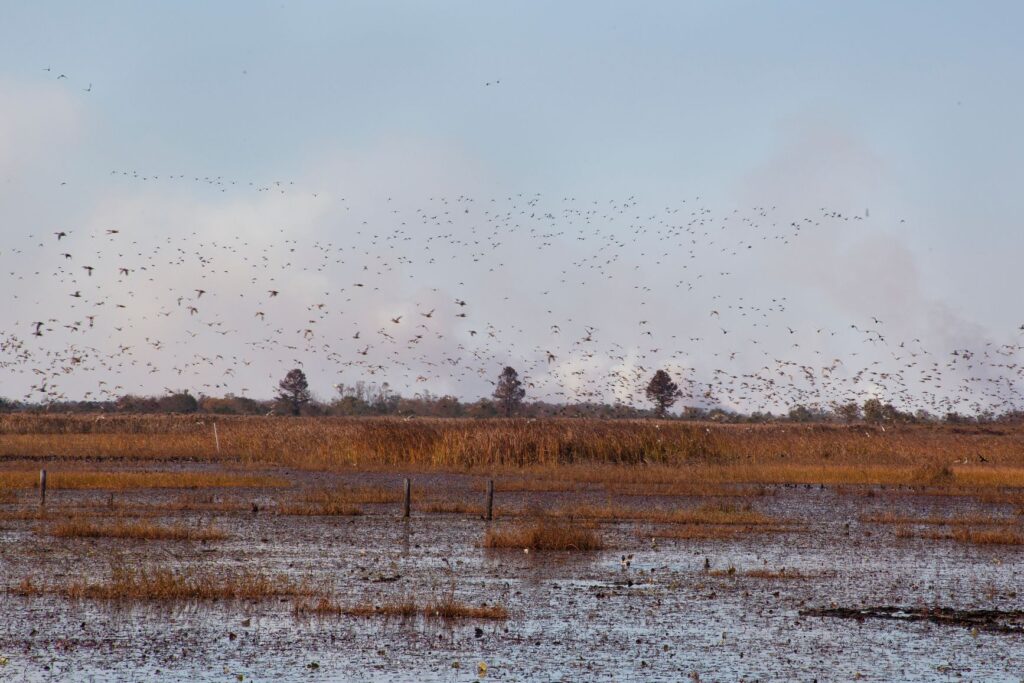
From the comment letter: “Our organizations do not oppose the commercial space industry, and we recognize the economic opportunity it may bring to Louisiana. Our concern is narrow and specific: the proposed rule would remove, at the licensing stage, the environmental review requirements that ensure launch and spaceport development accounts for its effects on wildlife, habitat, water, and coastal resources. For a state whose most significant emerging spaceport site sits within 136,000 acres of coastal marsh in Vermilion Parish, among the most productive wildlife habitat on the continent, that change is not abstract. It is immediate and local. When that site is also subject to a land-loss crisis and growing more susceptible to hurricane storm surge, circumventing environmental review also deprives the potential developer of data critical to the project’s business case and overall viability. We urge the FAA to withdraw or substantially revise the proposed rule, and to retain project-level environmental review for commercial space actions that affect fish, wildlife, and habitat.”
Specific concerns include:
- Waiving specified environmental review requirements applicable to FAA licensing actions
- The Louisiana context for a proposed site makes this rule immediate
- Waiving review does not eliminate impacts
- Coastal wetland and water resources concerns are specific and severe
- National security and “redundancy” rationales do not justify categorical waiver
These are the 13 statutes the FAA is proposing to waive, including:
- National Environmental Policy Act (NEPA), which requires an environmental analysis that identifies wildlife and habitat impacts;
- Endangered Species Act (ESA), including the Section 7 consultation requirement that protects listed species;
- Marine Mammal Protection Act (MMPA);
- Migratory Bird Treaty Act protections implicated through NEPA review;
- Clean Water Act (CWA), including Section 401 certification and Section 404 dredge-and-fill permitting for wetlands;
- Clean Air Act (CAA) conformity requirements;
- Coastal Zone Management Act (CZMA), which governs federal consistency with state coastal programs;
- Magnuson-Stevens Fishery Conservation and Management Act, which includes essential fish habitat consultation;
- Rivers and Harbors Act, the Wild and Scenic Rivers Act, the National Marine Sanctuaries Act, the Noise Control Act, and the National Historic Preservation Act.
“Pecan Island is a celebrated piece of Louisiana’s ‘Sportsman’s Paradise,’ one of the most productive wildlife habitats in the U.S. and incredibly susceptible to coastal erosion and hurricanes,” said Rebecca Triche, executive director of the Louisiana Wildlife Federation. “The environmental reviews outlined in those 13 statutes matter even more in a place like this.”
Read the three organizations’ recommendations to the FAA in the comment letter.
The public comment period for the FAA proposed waiver is open through August 31, 2026 at https://www.regulations.gov/docket/FAA-2026-8614 and citizens are encouraged to comment.