
Thank you to Louisiana Legislators for Recognizing Concerns About the Fishery and Respecting the Tradition
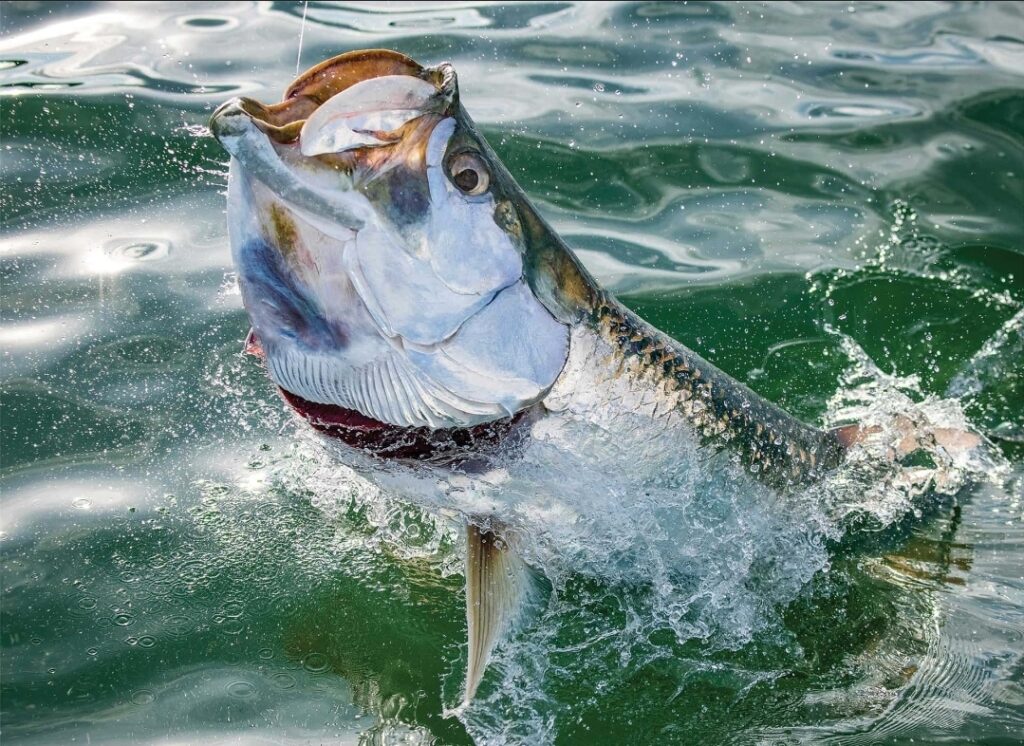
Governor Jeff Landry’s veto of HB 688 is disappointing for many Louisiana anglers, conservationists, charter captains, and members of the state’s tarpon fishing community. The legislation would have designated Atlantic tarpon as a Louisiana saltwater gamefish to establish a foundation for future conservation and management efforts involving one of the Gulf Coast’s most iconic recreational species and prohibit the commercial harvest of tarpon in Louisiana.
Had the bill become law, Louisiana would have joined every other Gulf and Atlantic coastal state in formally recognizing tarpon as a recreational gamefish and eliminating commercial harvest.
The Louisiana Department of Wildlife and Fisheries currently identifies Atlantic tarpon as a Species of Greatest Conservation Need within its State Wildlife Action Plan and has recognized the need for additional research, monitoring, habitat assessment, and a management framework for the species. HB 688 represented a logical first step toward advancing those long-term conservation objectives.
HB 688, sponsored by Rep. Joe Orgeron, received unanimous support throughout the legislative process, encountering no organized opposition and passed both chambers of the Louisiana Legislature without a single dissenting vote. That level of agreement is increasingly rare and reflected a broad consensus that the proposal represented a reasonable first step toward recognizing the importance of tarpon within Louisiana’s recreational fishing heritage.
Many people in Louisiana believe tarpon is already being monitored and managed in Louisiana but it is not.
The veto message frames HB 688 as unnecessary regulation, but the bill did not create new recreational limits, seasons, reporting requirements, or gear restrictions. It would have placed tarpon within the same general management framework Louisiana already uses for other recreational species. If that framework is appropriate for redfish, speckled trout, black bass, and other public fishery resources, it is difficult to understand why it becomes unnecessary when applied to tarpon.
LWF pledges to keep educating people about the need for designating Atlantic tarpon as a gamefish. We will continue to work with others who believe Atlantic tarpon deserve recognition within Louisiana’s fisheries management framework and view the species as an important part of the state’s recreational fishing culture, history, and outdoor heritage.
Want to share your opinion about this with the Governor? Here ya go: https://gov.louisiana.gov/page/share-your-opinion
The Tarpon Legacy in Louisiana is a Conversation Worth Having
Louisiana waters once supported numerous tarpon clubs, tournaments, and seasonal fisheries that attracted anglers from across the Gulf Coast. While much of that legacy has faded, organizations such as the Grand Isle Tarpon Club remain reminders of a fishery that once occupied a prominent place within Louisiana’s outdoor heritage.
Opportunities that previous generations enjoyed have become increasingly rare. What remains is a community attempting to preserve a piece of Louisiana’s recreational identity before it fades further.
When discussions arise involving traditional commercial activities, Louisiana’s cultural heritage is often cited as a compelling reason for preservation and protection. Yet recreational fishing traditions are also part of Louisiana’s heritage. The anglers, guides, clubs, tournaments, and communities that helped build Louisiana’s reputation as Sportsman’s Paradise represent a culture every bit as real as any other coastal tradition.
Governor Landry has often spoken about protecting Louisiana’s culture, traditions, and way of life. Those themes resonate because Louisiana’s identity is deeply tied to the people, places, and traditions that have shaped generations of families and communities.
It’s difficult to understand this veto.
HB 688 was not simply about fisheries management; it was about whether Louisiana’s recreational fishing heritage deserves the same recognition and consideration routinely afforded to other aspects of our coastal culture and economy.
That question remains. It is one that many members of the tarpon community hope to discuss directly with the Governor.
LWF’s previous statements.